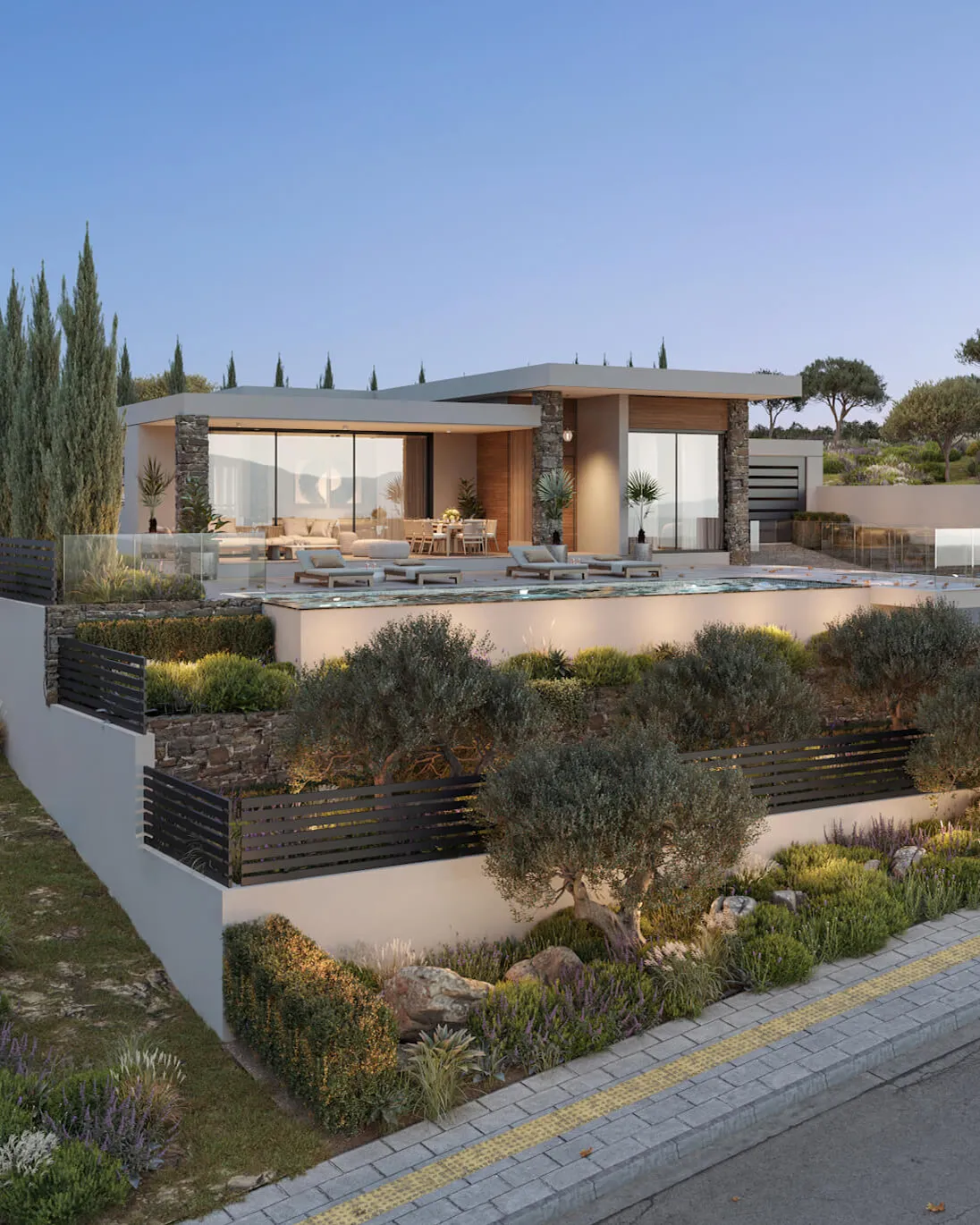
A&K Residence, view project details
Tala, Paphos
A curated archive of completed private houses, residential developments, and commercial spaces across the Cypriot landscape.
Tala, Paphos
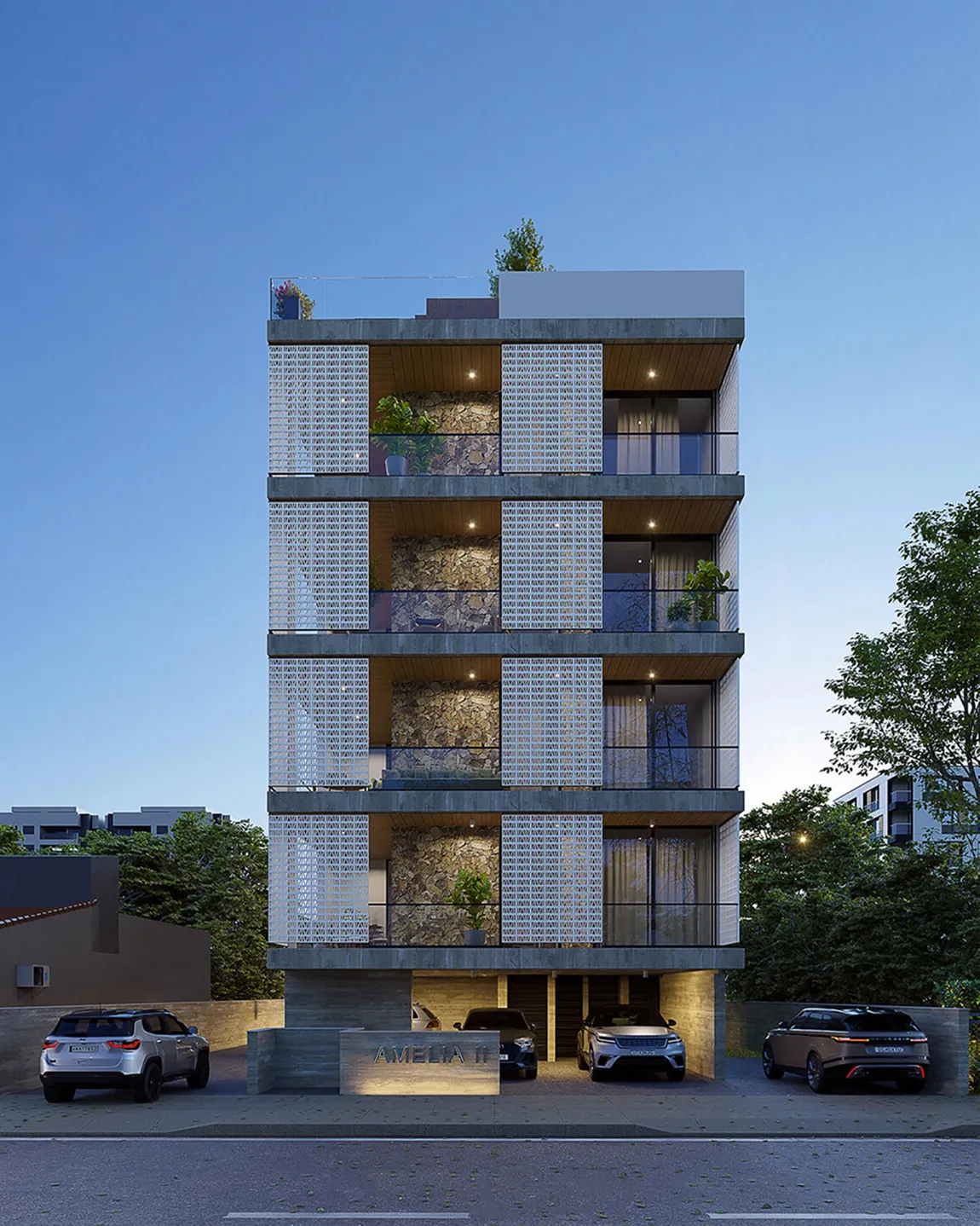
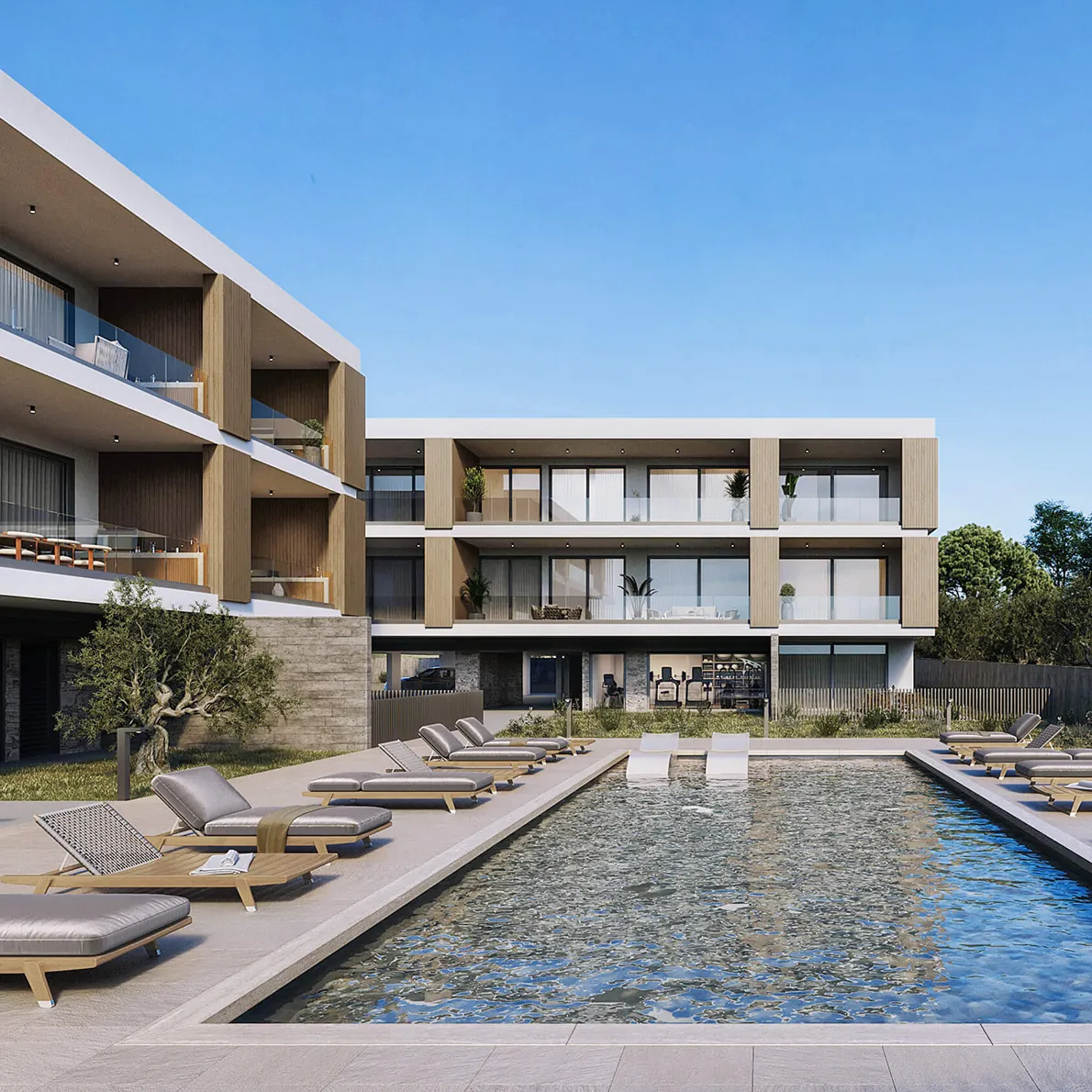
Mesogi, Paphos
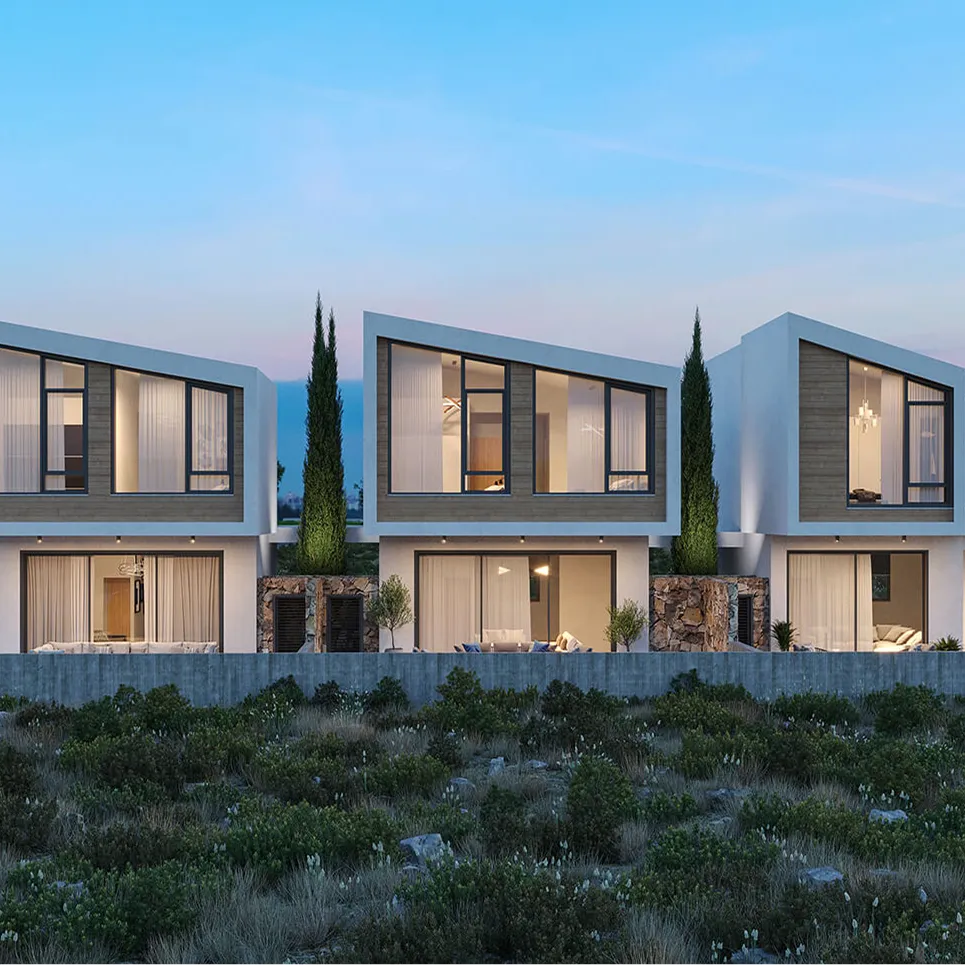
Anarita, Paphos
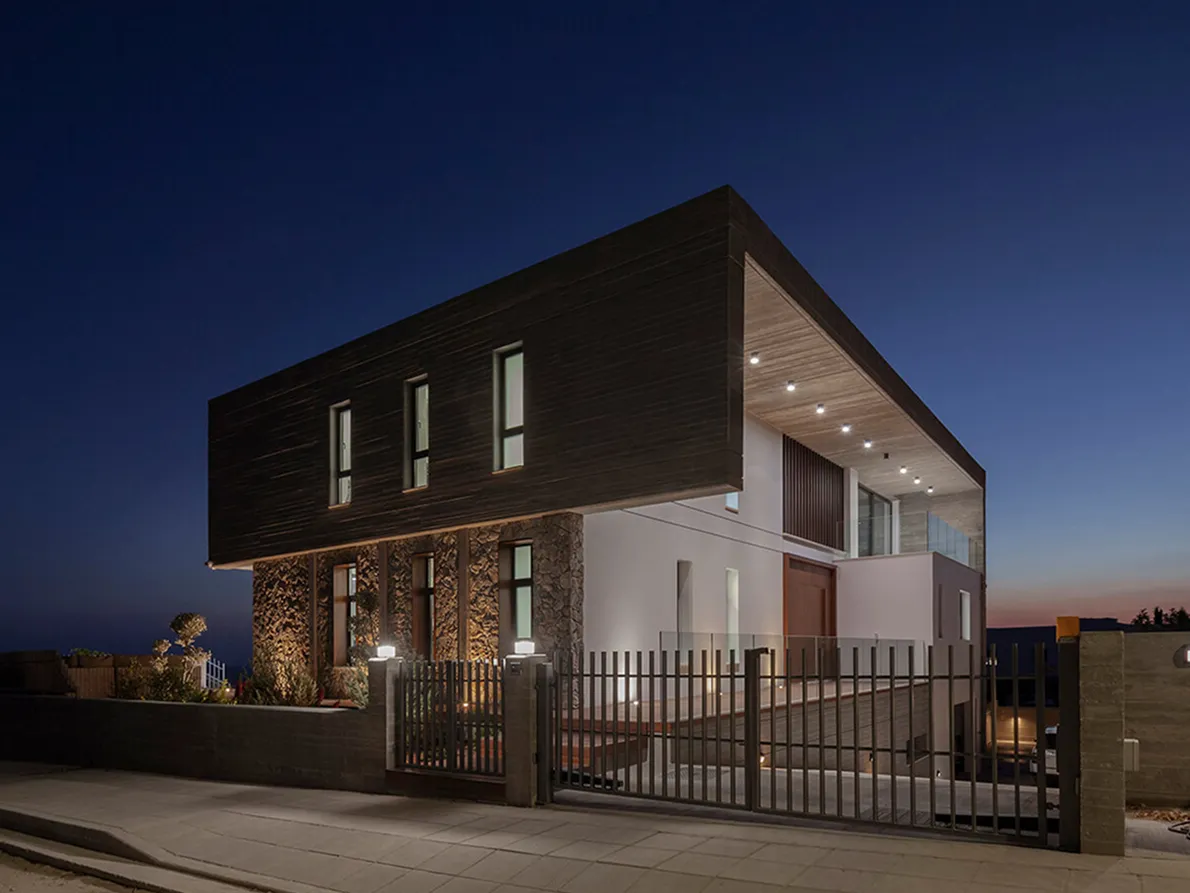
Sea Caves, Paphos
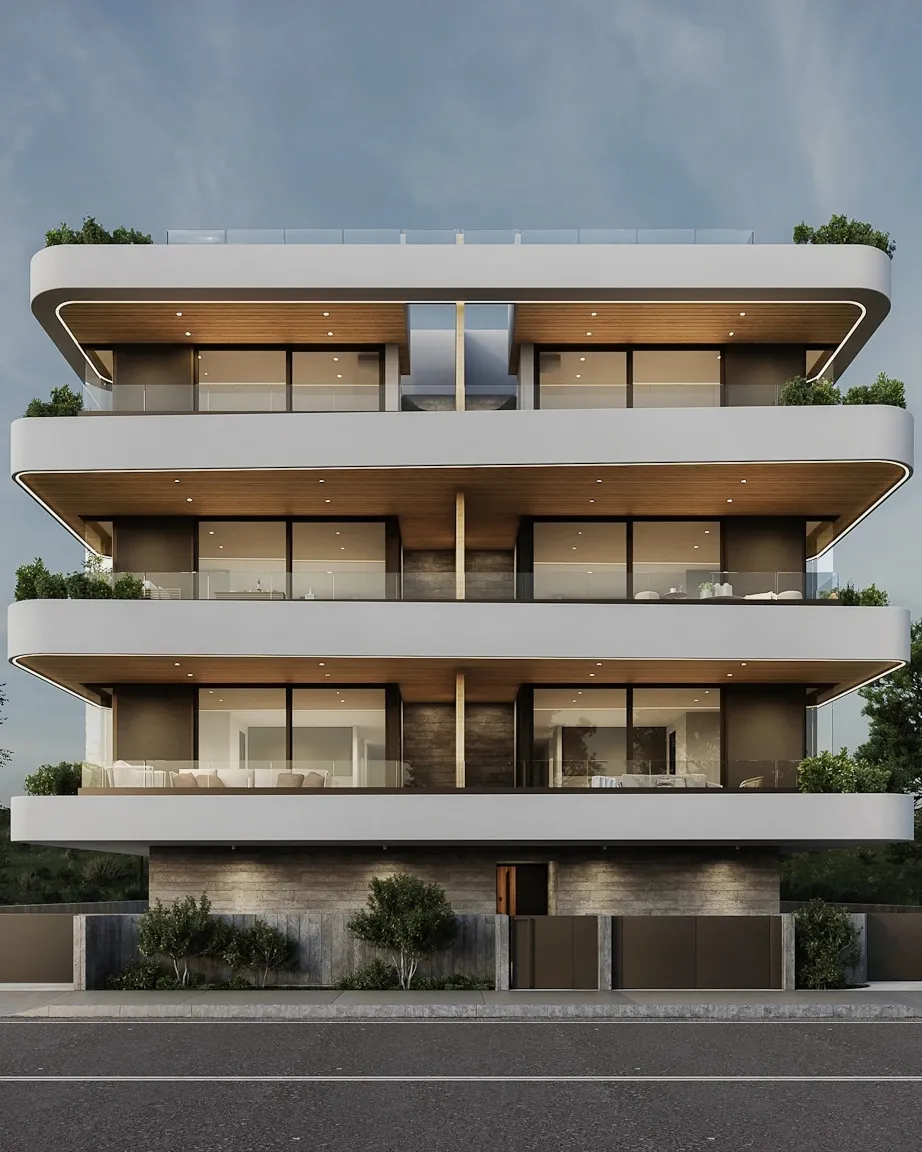
Geroskipou, Paphos
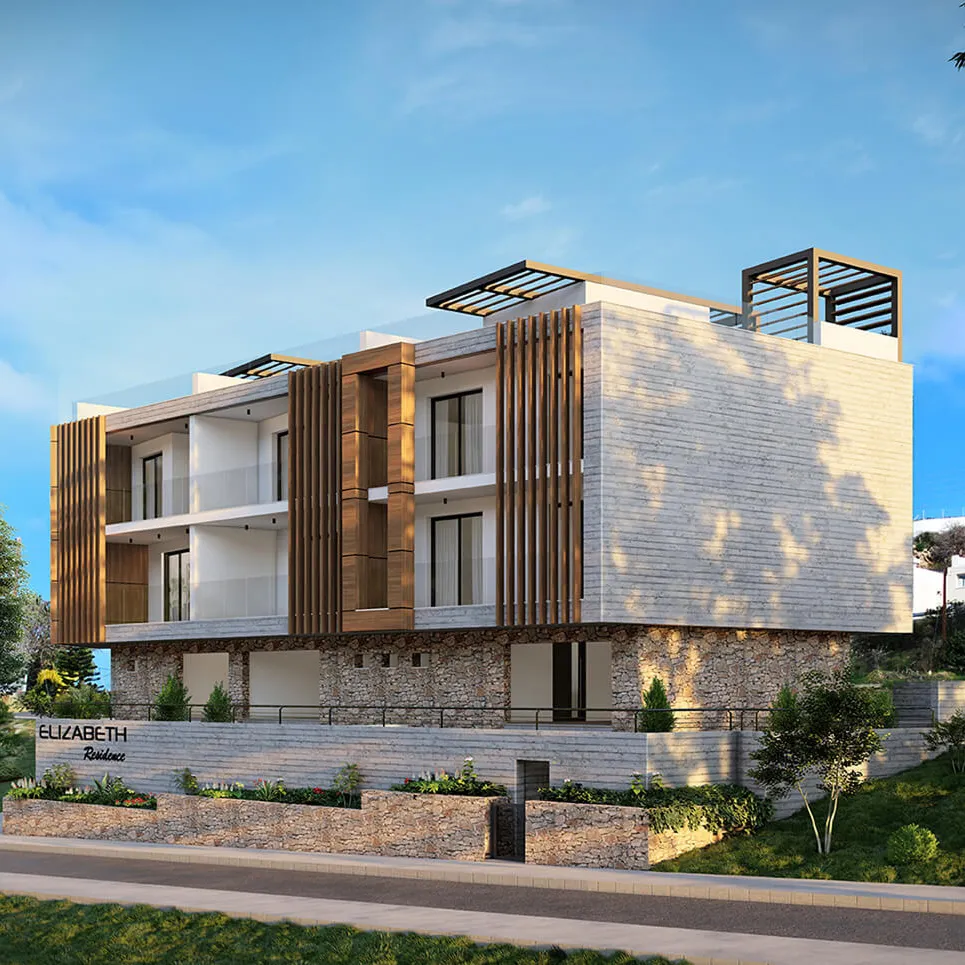
Geroskipou, Paphos
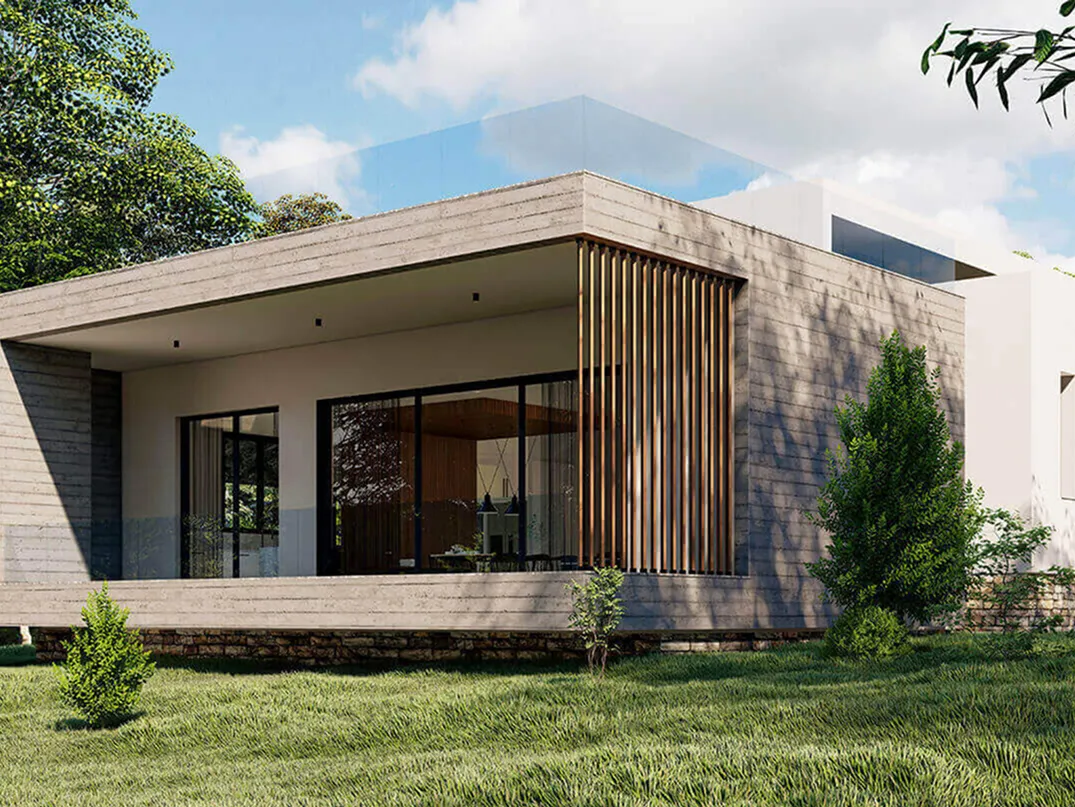
Emba, Paphos
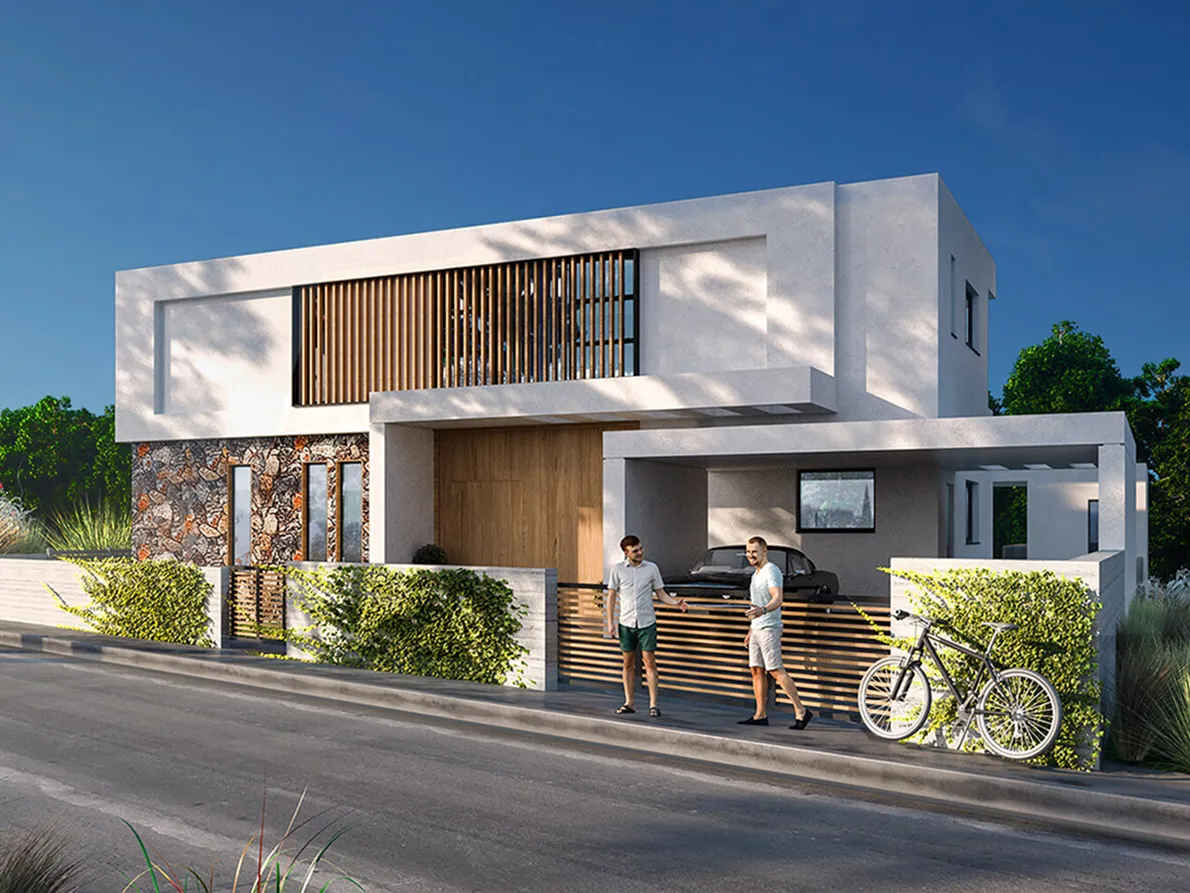
Mesa Chorio, Paphos
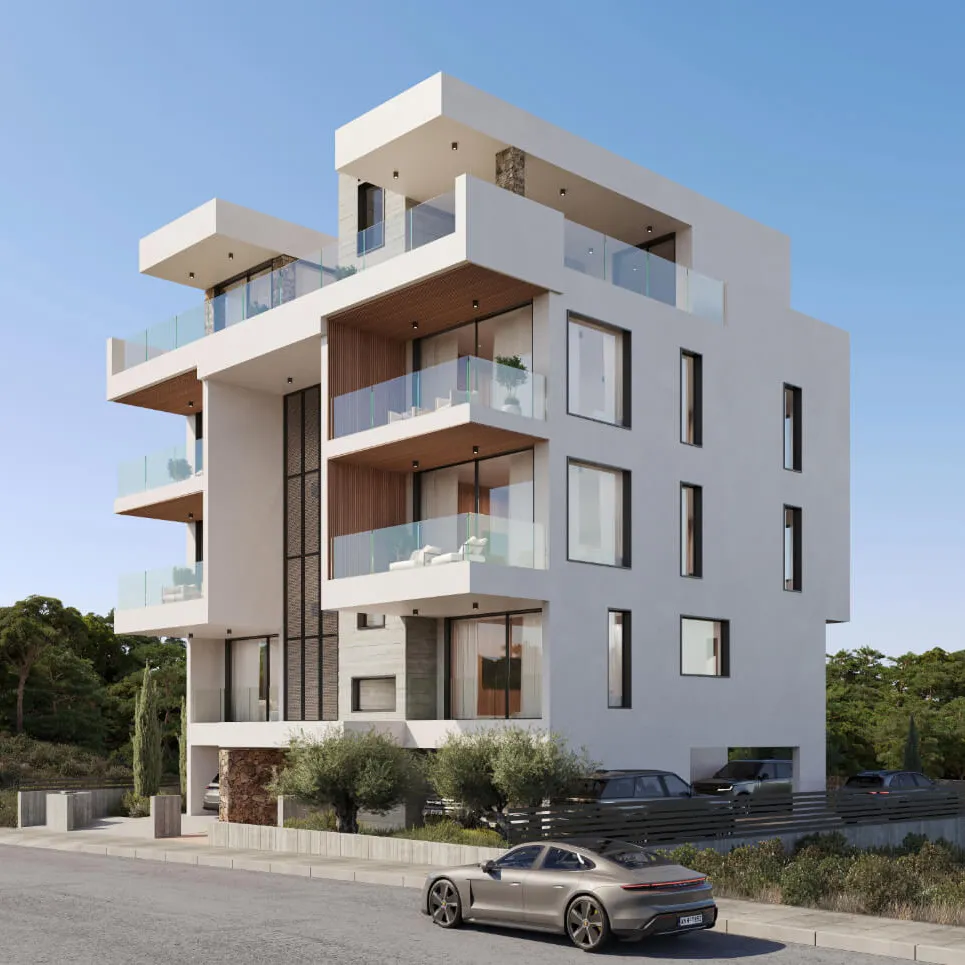
Moutallos. Paphos
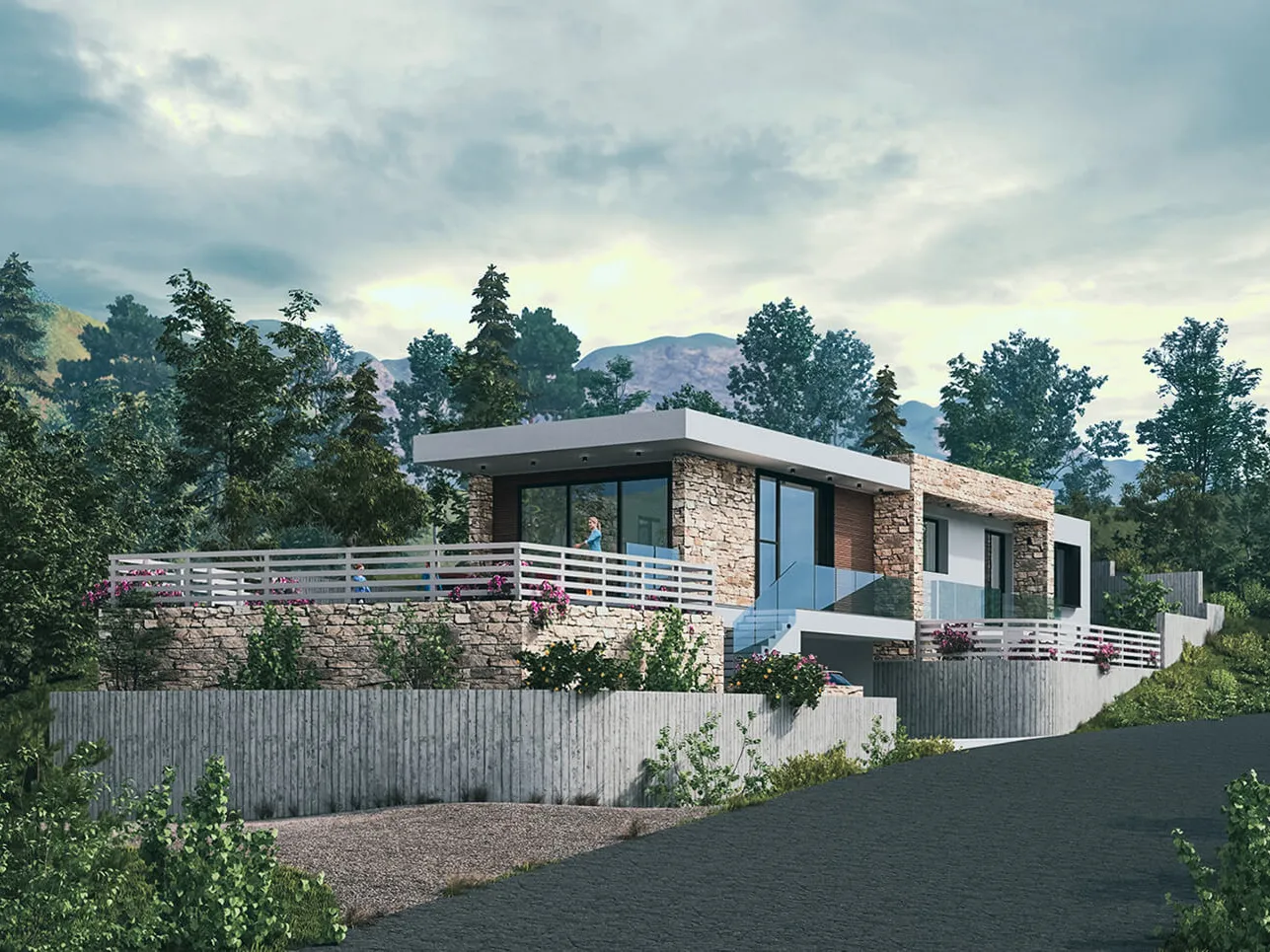
Panagia, Paphos
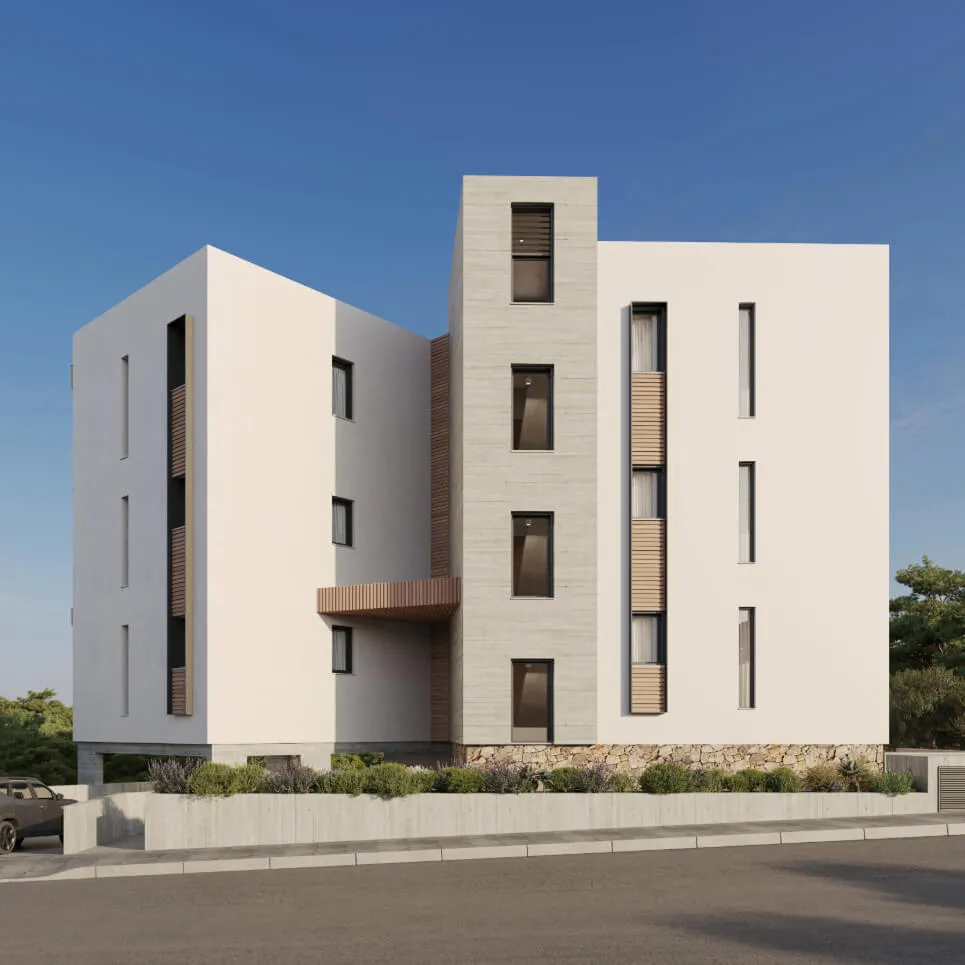
Emba, Paphos
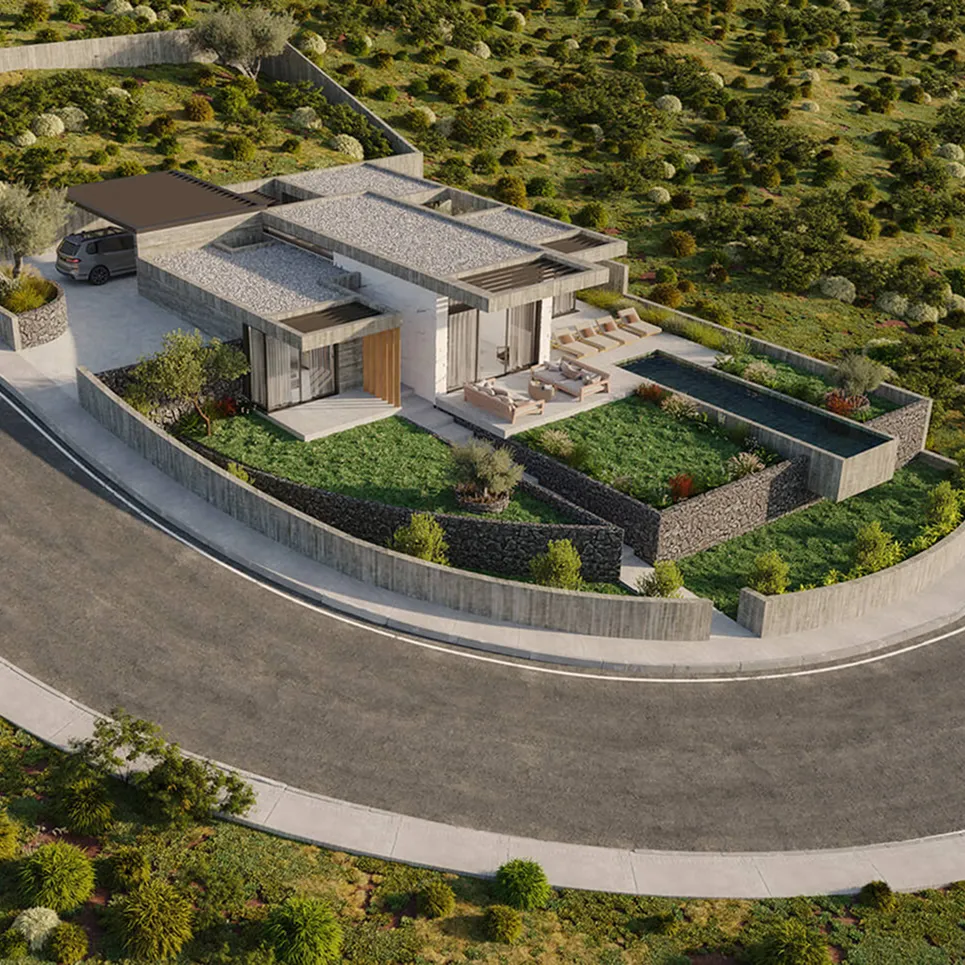
Armou, Paphos
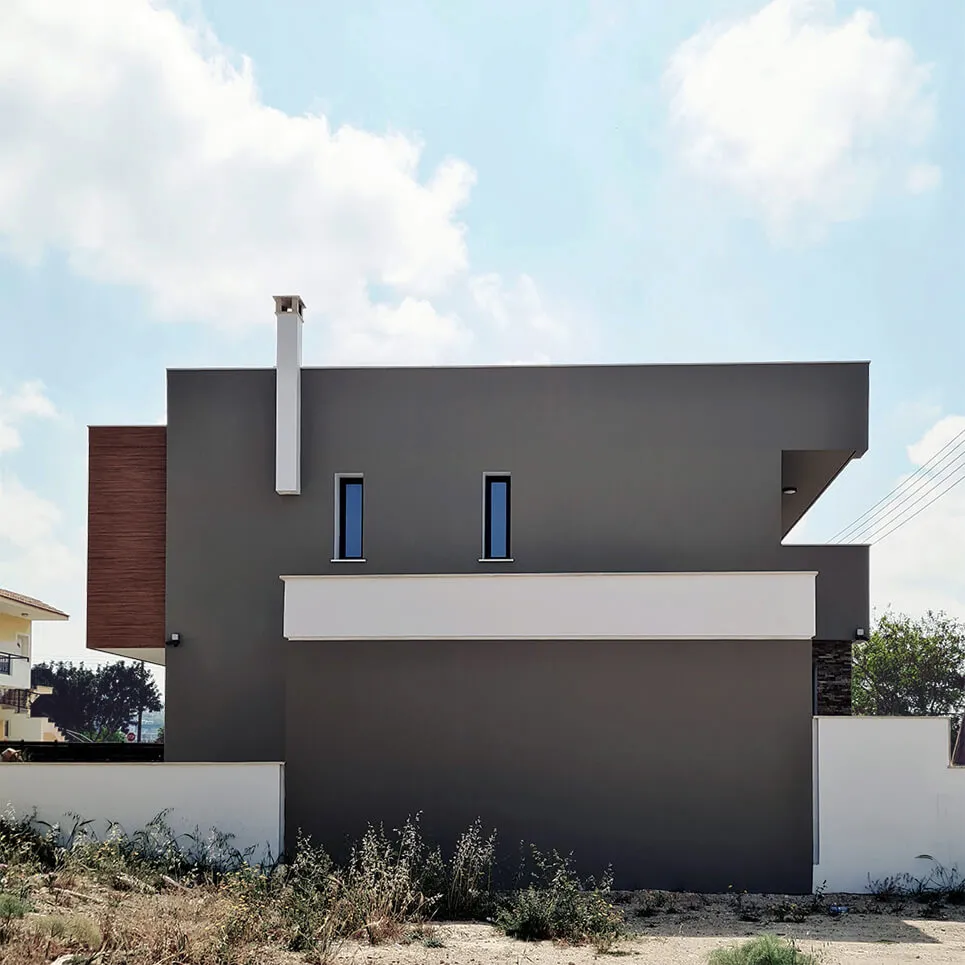
Anavargos, Paphos
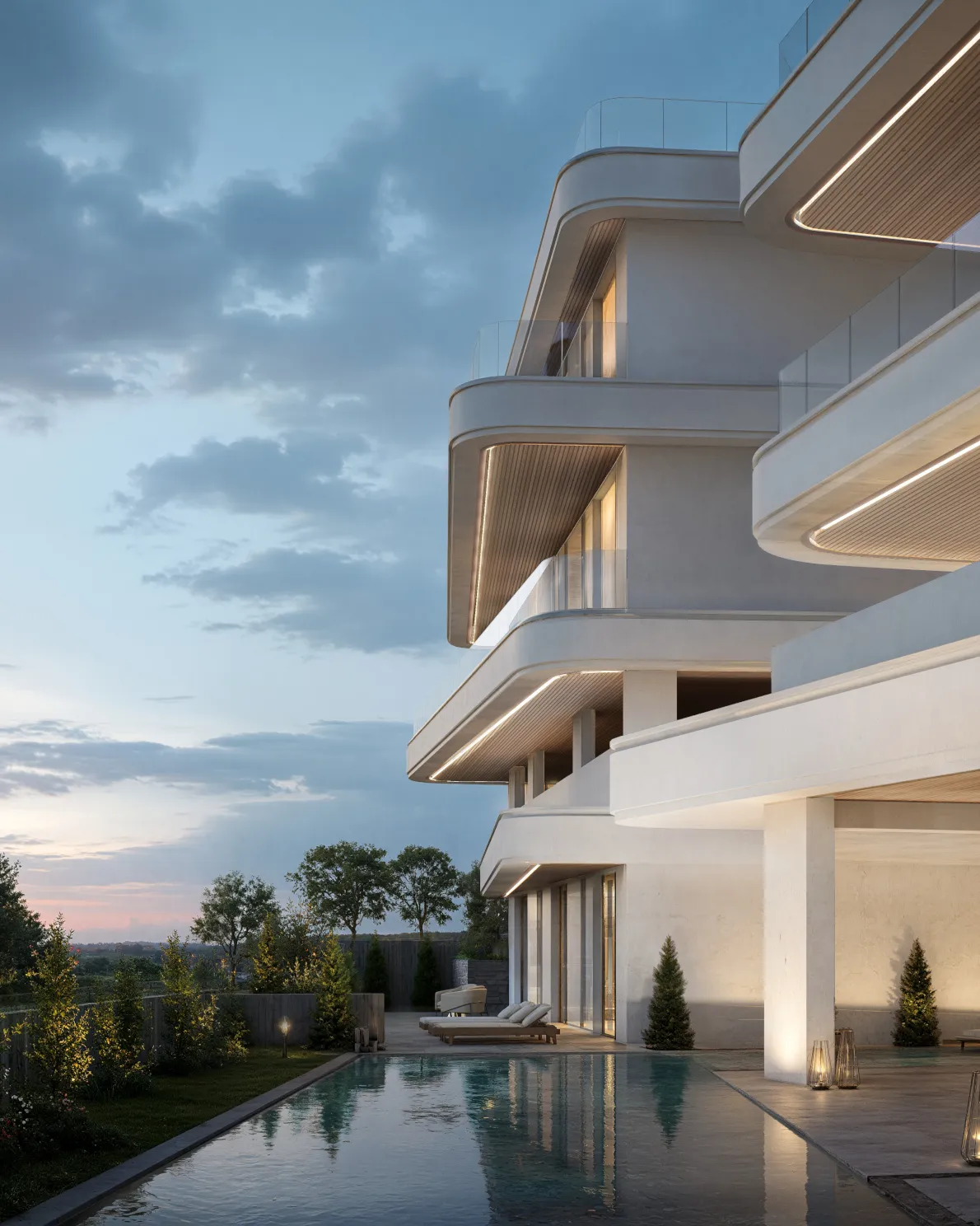
Germasogeia, Limassol
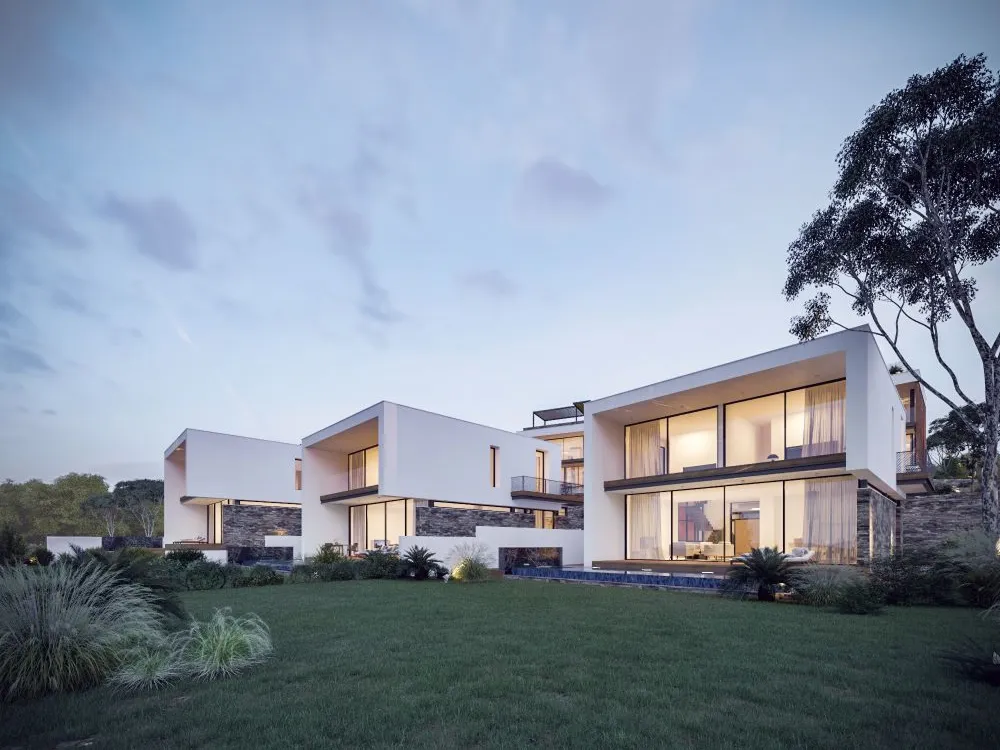
Kissonerga, Paphos
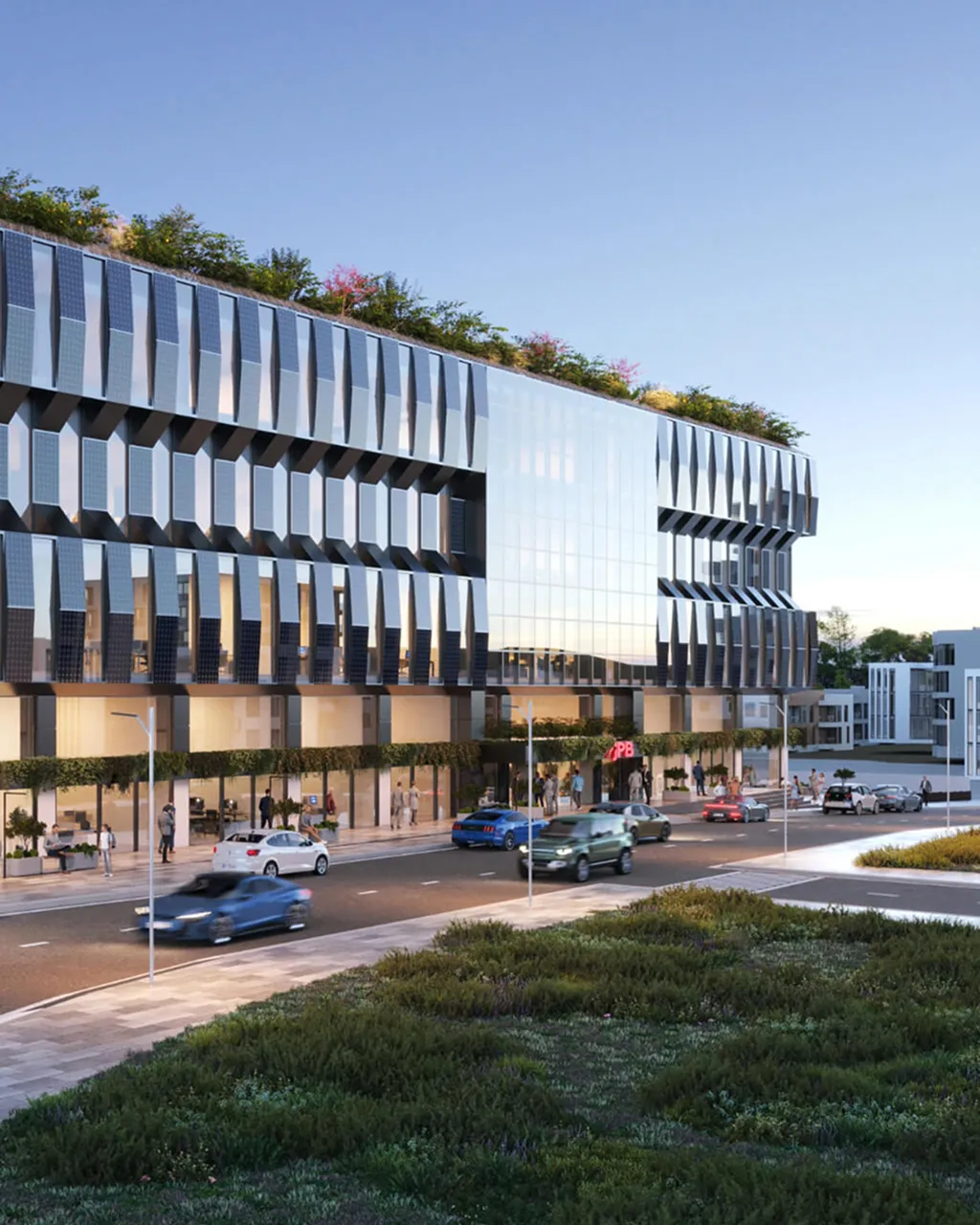
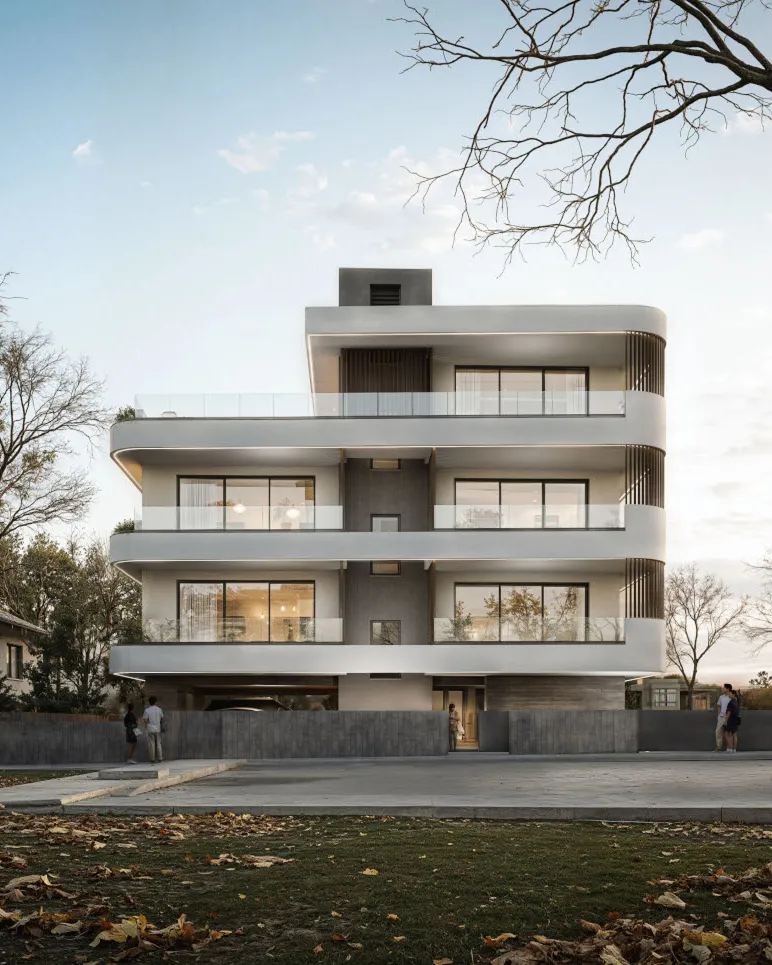
Geroskipou, Paphos
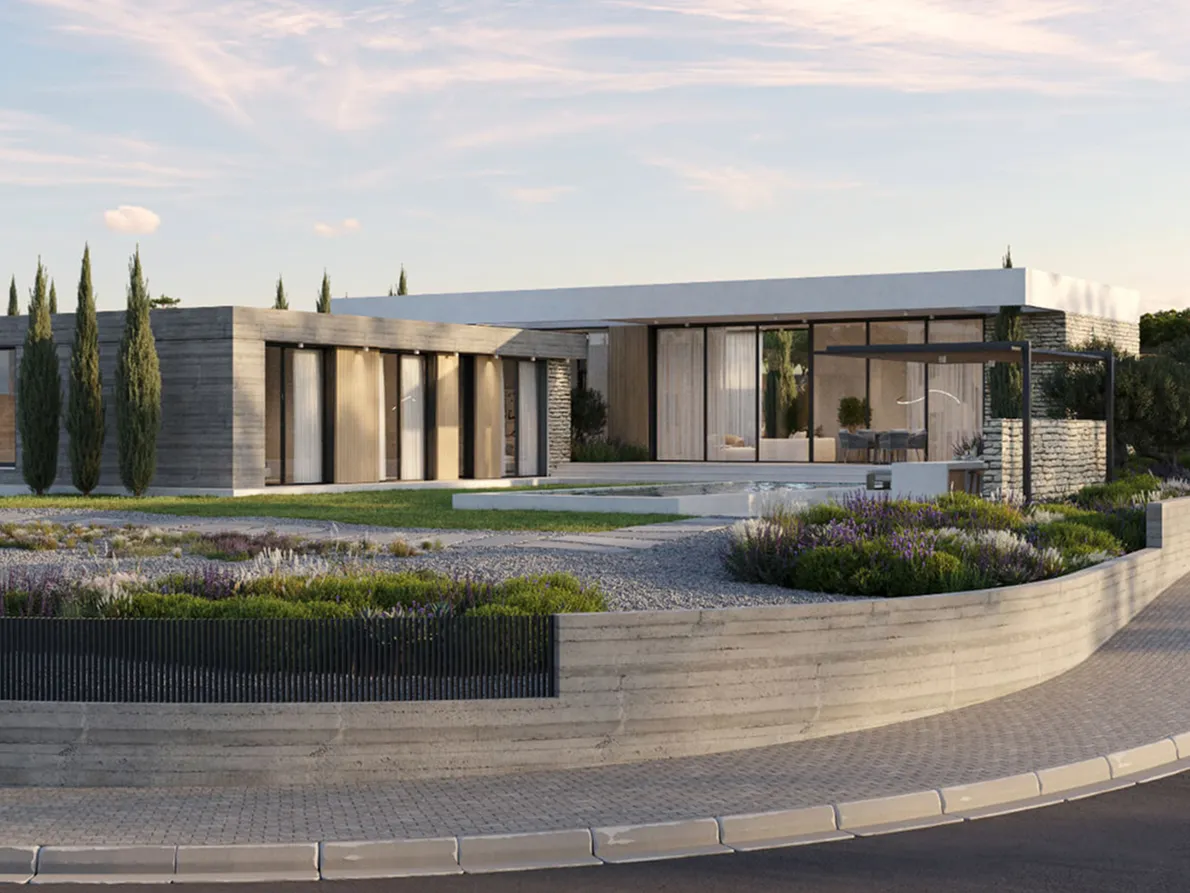
Venus Rock Golf Resort, Paphos
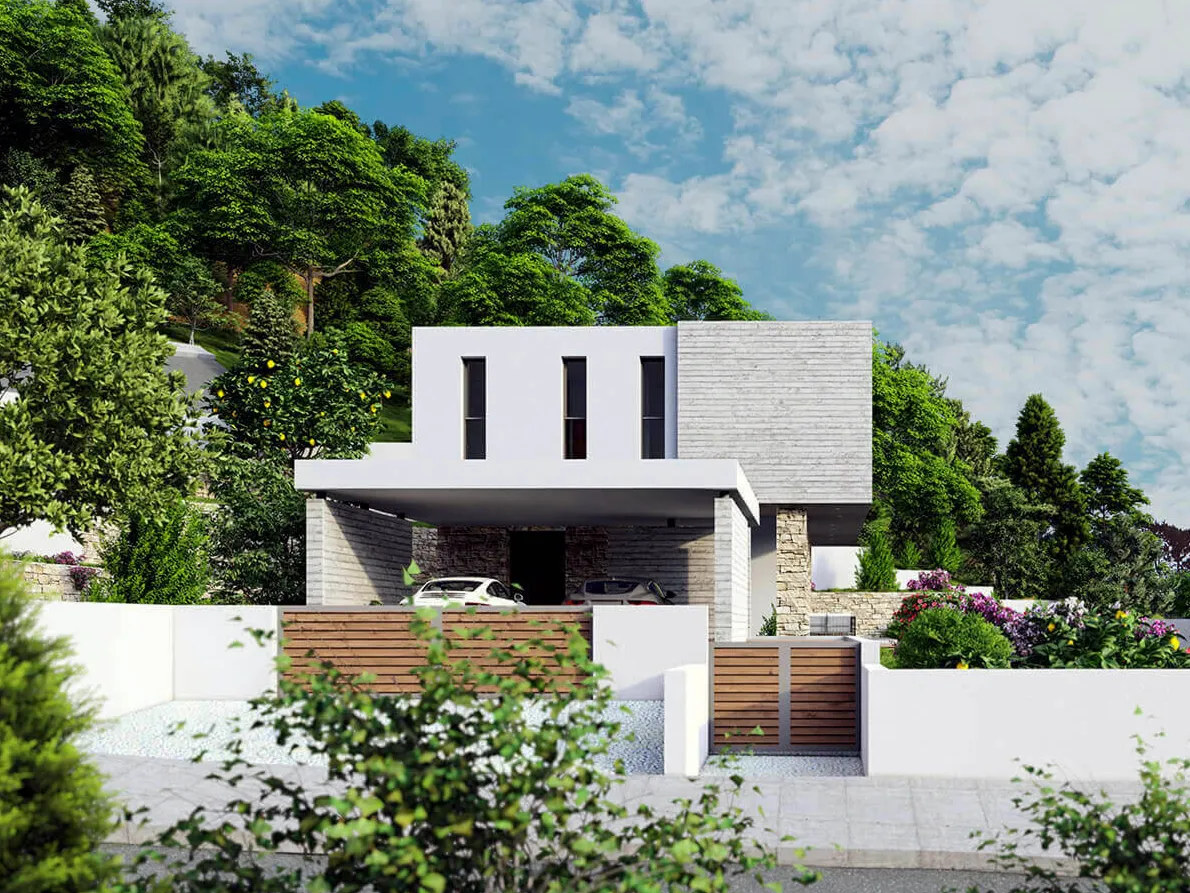
Tsada, Paphos
At the core of our practice is the belief that architecture must exist in a seamless dialogue with its environment. Every project begins with a rigorous study of the landscape, tracing the natural topography, analyzing the shifting light, and understanding the deep-rooted cultural context of the region. We do not impose form upon the site; rather, we allow the site to dictate the form. This methodology ensures that our interventions feel timeless, grounding modern geometric rigor in the organic realities of the Mediterranean earth.
Our commitment to honest materiality is reflected in the continuous exploration of local resources. The use of Cyprus stone is central to our architectural vocabulary, providing not only a tactile connection to the island’s heritage but also a robust solution for sustainable building. We embrace the raw, imperfect beauty of natural stone, contrasting its heavy, textured mass with the sleekness of modern concrete, glass, and steel. This juxtaposition creates a sensory experience that evolves as the materials weather and age gracefully under the Mediterranean sun.
Designing for the Cypriot climate requires a careful balance between openness and protection. Our approach integrates passive environmental strategies from the earliest conceptual stages. By harnessing the high thermal mass of local stone and implementing deep overhangs, we mitigate the harsh summer heat while maximizing winter solar gain. Natural cross-ventilation is carefully choreographed to draw prevailing breezes through the core of the building. These passive systems reduce reliance on artificial climate control, allowing the architecture to function as a living, breathing organism that responds intuitively to the shifting seasons.
Ultimately, our design process is an exercise in distillation. We strive for spatial purity, stripping away the superfluous to reveal the essential elements of structure, light, and shadow. Through meticulous craft and unwavering attention to detail, we create environments that foster tranquility and connection. Our work is a continuous pursuit of architectural excellence, shaping spaces that endure the test of time and elevate the human experience within the built environment.
The studio is currently evaluating new commissions for bespoke private houses, residential developments, and commercial spaces across Cyprus.
Inquire about a new commission